Are you feeling overwhelmed by the never-ending to-do list in your head? Do you find yourself constantly juggling tasks, appointments, and responsibilities while your partner seems blissfully unaware? You’re not alone. Welcome to the world of mental load, a phenomenon that’s been silently affecting relationships for years.
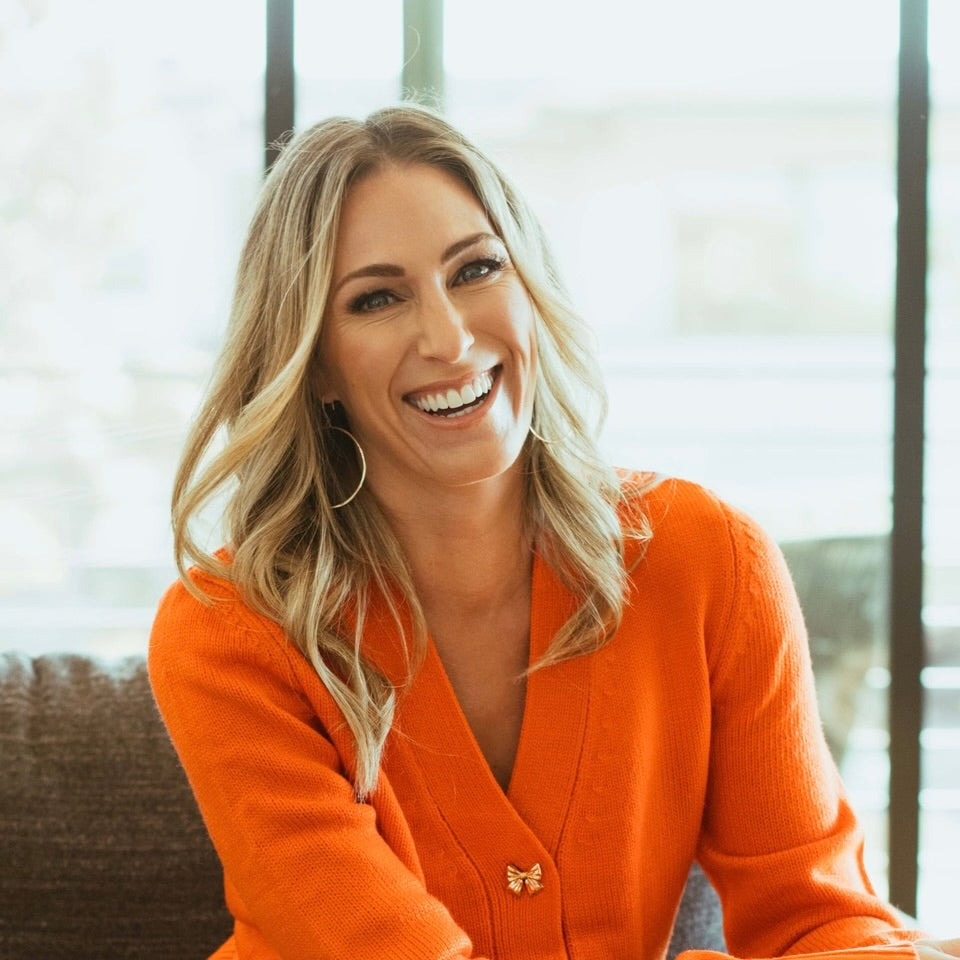
In this eye-opening episode, we dive deep into how to create a more balanced, appreciative, and connected relationship with renowned relationship expert, podcast host and bestselling author, Dr. Morgan Cutlip.
Tune in to hear:
• The true definition of mental load and why it matters
• How to have productive conversations about sharing responsibilities
• Practical strategies for dividing tasks fairly (hint: it’s not always 50/50)
• The surprising link between mental load and sexual desire
• Tips for instilling a “family team” mentality in your household
Whether you’re struggling with an imbalance in household duties or simply looking to enhance your relationship, this episode offers actionable advice to lighten your mental load and strengthen your partnership.
Follow Dr Morgan here
Purchase her book, A Better Share, here
Shop minted.com and use code: LOVERLYGREY for up to 20% off!
Watch this episode:

Transcript
Hi friends. Welcome to the Life With Leverly podcast. I’m Brittany, a wife, mom, and lifestyle entrepreneur here to help you discover your best daily style and encourage you to try new things when getting dressed each day. I took a tiny following on social media and turned it into a community of over one million amazing women, and I am so glad you’re here. I’ll be sharing my heart with you beyond the 15 seconds on Instagram, so we’ll be diving into things like personal growth, friendships, motherhood, marriage, and of course, the business of blogging. Really, this space is here to serve as your go- to resource to building a life you adore while sprinkling some kindness to others along the way. Grab an iced coffee and let’s do life together. I’m Brittany, and this is the Life With Loverly podcast. Hi, friends. Welcome back to the Life With Loverly podcast. If you’ve ever felt the overwhelm of the never-ending to- do list from family activities, errands, and home upkeep, and feel like most of the weight of completing these to- dos falls on you, today’s episode is for you. I sat down with author and relationship expert, Dr. Morgan Cutlip, about her down-to-earth style to equip couples and individuals with a practical plan to find a better balance of the mental load of the home. Dr. Morgan earned her master’s in human development and family science and her doctorate in counseling and psychology. Her latest book, A Better Share, provides a clear path for transforming family dynamics and creating a more harmonious, emotionally fulfilling home life. Tune in to find out the three things men and women desire in relationship, the three steps to having hard conversations with your partner without defensiveness, and we even get a little spicy and chat about how to improve your sex life. I hope you walk away from this episode feeling seen and equipped to improve your home life. Here’s my conversation with Dr. Morgan. Hi friends. Welcome back to the Life With Loverly podcast. I am really excited about today’s episode. We are going to be interviewing Dr. Morgan Cutlip, who is an author and relationship expert, and I am personally just very jazzed for this talk. How are you, Dr. Morgan?
Dr. Morgan Cutlip (02:24):
I’m doing great. Thanks for having me.
Brittany Sjogren (02:26):
Yeah. So when our listeners hear this episode of a podcast, your new book will have been live for about two weeks. Are you so excited for this upcoming launch?
Dr. Morgan Cutlip (02:39):
I am. I mean, launches are exhausting. I’m really excited for this book to be out in the world to get some more feedback. It’s kind of wild, the process of writing a book. It’s like for the longest time, you’re just writing and it’s between you and your editor. And so I’m excited to hear what people think and just to release it to the world and be through this sort of massive push.
Brittany Sjogren (03:04):
I know. Well, I’m very excited that I had a preview of the book. I know we’re going to discuss some of it throughout today’s episode, and I want to start off with, tell us about the balloon story. I just feel like this is a great place to start our conversation because I feel like it’s probably so true in a lot of relationships.
Dr. Morgan Cutlip (03:29):
Yes. Okay. So little fun fact about the balloon story. It’s the story that opens my book and I’ll tell it. And I actually wrote that part of the book two days after my husband and I had this argument. I remember really tentatively coming upstairs and being like, “So I wrote out our argument. Are you okay with this going in the book?” And he was took a little convincing her to vet it. But yeah, so the balloon story is about, it was my son’s eighth birthday. His name is Roy. And just the timing of birthdays in our family, it’s like they all occur around the holidays, Thanksgiving, rolling right into Christmas. My son’s birthday’s the beginning of December. At this particular time, my in- laws were coming into town. We were doing a trip with them. He was having a birthday party. We were still in his baseball season. It was just like the collision of all of these sort of busy things in our family life. And I remember my husband, he’s always willing to do the things. He’s not afraid of taking care of stuff. So he’s like, “Okay, I can see you’re overwhelmed, you’re busy. What can I do to take care of something?” And I say to him, “Handle the balloons, start to finish. I want an eight. I want a cluster of primary colors and that’s all I need.” I go, “There’s even a place that delivers.” So it’s like the simplest task, but you got to make a phone call and sometimes phone calls wear me out. So I handed it off, he’s like, “Consider it done.” So I think it’s like two or three nights later, but we’re coming up the day before our son’s birthday and I’m just laying in bed and my mind starts racing and I’m like, “I feel like he’s actually not handling the balloon.” That intuition that you’re kind of bummed is so accurate. And so of course I start worrying about it, thinking about all the things I got to do. And then you start calculating how many hours of sleep you’re losing by ruminating at night and then you stress about that and becomes this whole thing. So in the morning I wake up, I go upstairs. My husband is always kind of like perched in one of two locations upstairs and he’s working. And I was like, “Hey, quick question.” And I know when I am in, we call it go mode in our family, when I’m in go mode, I have an intensity. I have insight to be signal. I’m like, “I kind of have some intensity.” I’m like, “Got to talk to you. ” And he’s like, “Okay.” I was like, “I’m kind of worried you actually didn’t take care of the balloons.” And he’s like, “Yeah, just tell me when and where to pick them up.” And I think in the book I say, I saw that blue screen of death. I was like, “Gosh, darn it. How am I so good at predicting these things?” And then I was so kind of keyed up because I was coming in and kind of hot that my reaction wasn’t great. So I think my response was something like, “I thought you were going to take care of them.” Don’t do that, but it comes out naturally. And he’s like, “Well, you didn’t communicate it clearly and you have all these expectations for our kids’ parties and you want it to look and be a certain way and I don’t know what to do and blah, blah, blah.” So we kind of went round and round for a while around the balloons, me upset that he didn’t just ask me. If you had questions, just ask me. And also you said you were going to handle it. So at what point were we going to roll up to the party and there’d be no balloons? At what point was this going to ask?
Brittany Sjogren (06:58):
Where are you going to ask?
Dr. Morgan Cutlip (07:00):
Yeah, exactly. And then his thing was, you have high expectations for our parties, which is 100% true. And just this was an exception that I just didn’t care. I had no energy to care. And so it was different from our norm. And so that’s sort of how I kick off the book is kind of walking us through the story because I think it’s really relatable where it’s like you’re both coming at it with your own perspectives that you feel are really true and accurate and the wires get crossed and also just this overwhelm that women are carrying that can be so much extra heavy lifting to pass on to our partners when they don’t fully get it.
Brittany Sjogren (07:41):
Yeah. Well, and in the book and just in life, I know that you call this mental load and that’s exactly what it is, just all of the things that are like going on behind the scenes. Women are so great at multitasking and having all those thoughts, but it can be so hard when your partner can’t read your mind because that’s not how marriage works. I say that to my husband all the time. I’m like, “Why didn’t you just read my mind? You know that I wanted X, Y, Z.” And it’s like, that’s not fair.
Dr. Morgan Cutlip (08:16):
It’s not fair. And it’s funny because specifically around this topic of the mental load, if you ever consume any content on social media or even in other books and things like that, there’s this pushback or this frustration around, “Well, I shouldn’t have to expel this out for you. This stuff is common sense. I’ve been doing it. I had to figure it out. You should be able to figure it out too.” And so it’s kind of this weird, weird relationship issue where it’s like by and large, we can all agree that our partners aren’t mind readers, but then when it comes to this aspect of the relationship, we sort of want them to be. And I think we have to fight against that tendency and that pushback a little bit if we’re really wanting to get to a place where both partners are feeling like things are fair and they’re appreciated and yeah, like you’re navigating this without tons of conflict.
Brittany Sjogren (09:05):
Right. I mean, obviously even though we as women know what mental load is, do you mind just giving us like a quick definition?
Dr. Morgan Cutlip (09:14):
Yes. I give an in the weeds definition in the book, which I think is really helpful, but I’ll just give the 30,000 foot one, which is that the mental load is the seemingly never ending to- do list we carry around in our minds that has two key components. The first is that it’s usually made up of invisible tasks. This is an important piece because the invisibility makes it hard for our partners to see and also can make it hard for us to explain if we like try and they don’t quite get it. The other piece around invisibility is that it’s hard to get the stuff appreciated. If we’re sort of doing these things behind the scenes kind of in the dark, they don’t know we’re doing it, they’re not aware of this, then they’re not really going to be appreciating acknowledging it or complimenting how valuable we are to the functioning of our family. The second piece is that it takes up cognitive real estate. And so this just means it’s crowding out really important things like being present, having patience, finding peace, getting in the mood for sex. All of this stuff takes mental bandwidth. And if it’s full of all the things we’re keeping track of and remembering and researching and all this stuff, we don’t have a lot of capacity for that. I always have to say this because if you have any men that listen, they’ll be like, “Well, I have a mental load.” Of course, my kids have mental loads. Every human has a mental load, but in home and family life, research shows us time and time again, whether you work part-time, full-time, or don’t work at all, the mental load is predominantly carried by women when it comes to home and family stuff. And so this is why it’s important to navigate it well because when it feels so disproportionate, that’s when feelings of resentment start to creep in.
Brittany Sjogren (11:02):
Totally. What are some subtle signs our household responsibilities are harming our mental load and why … Well, I’ll let you answer that part first and then we can kind of get into another section of that. Yeah.
Dr. Morgan Cutlip (11:16):
I mean, a mental load that feels disproportionate, so unfair in the relationship or that feels too heavy has sort of these individual costs and relationship costs. So there’s been, over the last year and a half, two years, there’s been a lot of stuff come out about the mental health of parents and specifically mothers. I mean, mothers are suffering from a lot of burnout, overwhelm, higher rates of anxiety, depression. And I believe a lot of this has to do with just the massive amount of tasks we’re sort of trying to navigate and handle. So that’s one piece, the individual cost, which is very high, but that trickles into the relationship costs as well, which is that if you’re depressed and overwhelmed and anxious, you’re going to show up differently in your relationship. But a mental load that’s unfair and not handled well is going to absolutely erode connection and the relationship. It will start with like small disconnections, small kind of shifts in your interactions from being warm and loving to tense and irritated and frustrated. And it can just kind of eat away at the relationship and lead to deep developing resentments, which I feel like the couples who sort of put their heads down and just kind of push through family life and they get to that point where the kids are grown and they look at each other and they’re like, “No, I don’t even know you. ” Or, “We’ve just grown apart.” A lot of times it’s these small things that erode connection over the years.
Brittany Sjogren (12:48):
Yeah, it is. It’s crazy, I feel like. And then not only are parents and moms just going through so much, then you add in our phones and social media and all of these things that are kind of also causing this extra weight or the way you consume something might completely trigger you and then your mental load starts to spiral and then you’re out of control having conversations with your husband or whatnot. I mean, it just feels like sometimes you can’t get away from it.
Dr. Morgan Cutlip (13:23):
Yeah. I think this is a piece that I’ve not seen people talk about when it comes to the mental load. I do talk about it in the book, which is that we are parenting at a time where we’re parenting with a ton of intentionality and there’s actually a term for it called intensive parenting. And it started really … The boomers actually, they don’t get enough credit, but they started this shift and then the millennials really took hold and then it’s just kind of growing. But this is fuel, which is basically that we parent in a way that takes a lot more emotional and mental energy. And a lot of times it’s the women sort of leading this charge and trying to get our partners to buy into it. And so that’s another layer to the mental load. And then when you consume content, it’s often perpetuating this. So I remember I saw something not that long ago that was talking about like how jujitsu, I don’t remember, is related to greater six … Don’t quote me on this, anybody listening, you all run to your local jiu-jitsu place. But it was like jiu-jitsu, kids who do jiu-jitsu have more success in life and get into better colleges. I don’t know, it was like something like that. And our kids used to do jiu-jitsu when they were little and I was like, “Oh no, do I need to get them back in? ” And then I saw another piece of content that said something like, “If you praise your kids too much, you’re going to raise people pleasers.” And I was like, “Oh no, should I never?” It makes you so hypervigilant in parenting rather than just sort of like relaxing into it a little bit and then the weight of bringing your partner on board is also exhausting. So we’re parenting in a different era.
Brittany Sjogren (15:04):
Yeah, it is wild. I mean, I have two girls who are six and four and even just like some things that I’m trying to implement with them, I’m having to have these discussions with my husband upfront being like, “Hey, so I kind of want to do this. What are your thoughts?” Just assuming that he’s going to be like, “Oh yeah, of course.” Not always. And that’s not always the case. Sometimes he’s like, “Well, I don’t see it like that. ” And so there’s other hurdles that you’re just constantly jumping over.
Dr. Morgan Cutlip (15:36):
Yes, there’s lots of things that make the mental load really full, especially for women, but this is actually a very big one, which is just this sort of shift to kind of like cycle breaking in our parenting and trying to develop emotional intelligence, which is just … I mean, when I released my first book, I did an interview with a woman who’s, she’s probably in her 60s and she’s like, “I’d be homesick and my mom would go play tennis.” In this day and age, you’d be like, “Oh my gosh, we never leave our sick child at home to do these things.” And if you do, that’s okay. But things have shifted to where we’re sort of like the children are at the center, like the son, and we kind of revolve around them and that takes a lot of effort and energy from us. Yeah.
Brittany Sjogren (16:28):
Yeah. Okay. So before we get into how we connect with our partners by overcoming the weight of mental load, can you tell us the three primary things that each woman and man want in a relationship?
Dr. Morgan Cutlip (16:42):
Yeah. So I talk about how everybody in a relationship is really after two key things, which is to feel loved and to feel secure. But the way that we want these things sort of met looks very different. So I use the acronym PAR because I hope men read the book and I figure, well, if we throw in some golf, maybe that will help. But men, their three primary desires are peace, which is actually a really big one and really important one because often in the pursuit of peace, they sort of self-sabotage and end up creating more issues. Affection and that runs the gamut. So being desired is big for men. Affection in terms of just like how we speak to them, how we touch them and even in our sexual relationship. And then the last is respect. And I think everybody wants respect. I know that’s not necessarily just a man thing, but I think that it is a higher order need for men. It’s something that’s really important to them. And then for women, it’s to be pursued. I think we all sort of have that experience early on when we’re dating, especially where our partners really put in the effort and then you settle into more of just like the busyness of life. And it’s almost like it feels sometimes a little bit like, okay, locked that down, moving on to the next thing. And so that pursuit of knowing us, connecting with us, time with us sort of gets lost, especially when kids enter the picture and just life is busy. So that’s a big one for women. Appreciation, I collected data from my book and I asked women, “What do you want most around the mental load from your partner?” And the first one was more initiative taking, but the second was appreciation and acknowledgement. And I think a lot of women really need to be seen and that needs to be expressed in words from our partner. And then the last is reliability, which is that you have a partner that you can depend on that is predictable in the best kind of ways that they do what they say they’re going to do. And this creates a feeling of safety that I can rely on you, that you are strong and I know you’ve got me, that if I come with some emotion, you can sit with that and handle it. And that is really important for women to feel safe and secure in their relationship.
Brittany Sjogren (19:07):
Yeah. All of those things on both sides, I feel like I resonate or I’m like, oh, making like mental checks like, yep, that’s, yep. Everything just rotates better when all of those things are in check.
Dr. Morgan Cutlip (19:24):
Yes, absolutely.
Brittany Sjogren (19:26):
Okay. So let’s chat about how to connect with our partners again. You stated in your book, one of the key differences is that the mental load of the family and home is not clearly owned by anyone until someone takes on the responsibility. This is where feelings of resentment can creep in. Can you talk about your mental load truth number two? The distribution of responsibilities won’t be fifty fifty, but it should be fair.
Dr. Morgan Cutlip (19:55):
Absolutely.
Brittany Sjogren (19:55):
And how that helps us find the rhythm that works for our family.
Dr. Morgan Cutlip (19:59):
I actually call … One of the issues with the mental load is this idea that like one partner, everything sort of defaults to them. And I call women actually, like we’re the bounty quicker picker uppers because we are super absorbent. We just kind of go around, we just soak things up without any conversation, any negotiation to the point where we become so saturated, we tend to break under it. And that’s sort of what happens a lot of times with the mental load. And there’s lots of ways that it builds, but it’s almost like one partner soaks it all up and then they become the one too sort of responsible for initiating the conversation to shift things. And so there’s lots of entry points to this conversation, but I think one of the metrics that we need to think about as a couple is not necessarily that things now need to be divided like, “Hey, we got this issue, it’s the mental load, we got to split things up fifty fifty.” And I think a lot of people go into it with that mindset, we have to have equality, which suggests it’s equal. And I think that a better metric is actually that things feel fair. And the reason why this is better is because every family has a different set of life circumstances. In my situation, my husband travels every week for work. Can you imagine trying to do fifty fifty? It’s impossible because he’s out of the house half of the time. I think 250-50 promotes scorekeeping because it’s like the last new time I did. Exactly. Where you start to kind of enter this competition. And I think the other piece is that the mental load is always shifting where every single day there’s something new that gets thrown onto your plate that you’ve got to navigate. And so if it’s like being super rigid around the fifty fifty piece, it becomes kind of hard to navigate the complexity of modern family life. I think we need more flexibility. So fairness is a better measure.
Brittany Sjogren (21:56):
Yeah. Okay. What are the three steps to having conversations with our partners about mental load and expectations without them getting defensive or getting upset?
Dr. Morgan Cutlip (22:09):
Yeah, that’s sort of like one of the main things I cover in my book because there are other things out there that exist that are really focused on how do we just logistically divide things up differently? That’s been done. It’s been done really well by another book, but what I’ve found is that a lot of times couples can’t even enter into a conversation around the mental load to even get to the place where they divide things up because one partner tends to get so defensive, dismissive, it gets competitive. And so having that conversation and getting good at having it regularly becomes a couple superpowers. So there’s lots of ways to enter into it. One way that is just really important is sort of how you frame the conversation. And a lot of times how I see it portrayed is almost like it’s the stereotypically, it’s the husband who’s dropping the ball, get your act together, buddy, step in, do more stuff. When you start the conversation like this, even though it might be true, and even though it might feel that way, like you might want to go at it that way, it’s going to set the conversation on a bad path, you’re going to really trigger defensiveness because criticism is not the best starting place for change. So one is how you position the conversation. I believe you should set it up so that the enemy, the shared enemy of the couple is the mental load and the relentlessness of modern family life. It’s the distraction of our devices, the pressure to be perfect and productive, hustle culture, the expensive nature of modern life today. It’s the lack of supports, the lack of … It’s all this stuff couples contend with that we’re up against it. As a couple, we have to figure out how to navigate it differently. So if I’m advising someone like, “Okay, you want to have this conversation? How can we set you up for success?” Keep that framework in mind. If your partner gets defensive, it can be helpful to hedge it. So you might say something along the lines of, “I need to talk with you about something really important to me. I have worked up a lot of courage and energy to have this conversation with you. And so I need to know one, is it a good time?” They’ll always say yes, even when it’s not. Just FYI, so be prepared to get buy-in. And then number two, you say, “I’m worried you’re going to get defensive. And if you get defensive, I’m going to have a hard time bringing this up again, which means it’s not going to go away.” Me not bringing it up doesn’t mean we solved it. It just means I’m stewing and stuffing. And I don’t want that kind of relationship with you. I want to enjoy each other. And so can you handle this conversation without getting defensive? They’re going to say yes. And usually, and so that gives you two sort of things to hold onto. One, if they start to get defensive, you’re like, “Hey, you said you could. Can you not? ” The other is it will help them pause before they do react with defensiveness, which slows things down. The next piece is that you sort of introduce the impact of the mental load. Most often, our partners will know when we’re stressed out and overwhelmed, and they might even avoid us when we’re like this. Nobody wants to be around that kind of energy. It’s hard. So you can kind of like go there. You’ve probably noticed how I’ve been really intense or stressed out or I seem overwhelmed a lot and I know that’s not how I used to be. Here’s what I believe’s going on. I feel like I’m carrying a lot. I’m not pointing fingers. It’s just I naturally kind of took these things on, but I think we need to revisit how we navigate this because I want to, again, enjoy each other, our family life and our relationship, and this isn’t good for me because I don’t show up as my best. So can we talk about how we can start to make some changes in this area of our life and our relationship? And usually that, you’ll get further entering the conversation with those kind of shifts and how you approach it.
Brittany Sjogren (26:08):
Totally. Well, I also think of even your, the PAR acronym, like keeping those three things in mind when you’re having that conversation, like nobody’s going to want to talk … If you come defensive to the table, all of a sudden the piece is not there. No. The respect not there. So it’s like even just as like that phrase or that acronym is in our minds is a good, I feel like would be a good starting place too.
Dr. Morgan Cutlip (26:46):
Yeah. The content in the book kind of starts to build. Yeah. So it’s like when you understand that maybe … And I think one of the pieces I’m hoping people get out of it is that it’s going to explain perspectives of each partner, which can then help you to depersonalize some things. I think a lot of times … So like my husband, I mean, totally wants peace for … We worked on this for years, but it’s like anytime I’d bring something up, he’d want to just push it away because that means the piece is disrupted. It means maybe I’m unhappy with him, which is scary and that doesn’t feel safe. And so when you can depersonalize some of the stuff, it’s not like, “Oh, my partner doesn’t care about me. ” It’s like, “Okay, this is what’s going on behind the scenes. Let’s have a little bit of empathy.” And it goes both ways too. He’s got to do that as well. And then we can try to move forward in a productive way instead of kind of getting lost in some of these arguments that are incredibly common.
Brittany Sjogren (27:44):
This Mother’s Day, I really wanted to do something meaningful for my mom. She always loves stationary and sending thank you notes. I’m using Minted to design her a set of personalized stationary and it just feels so special. All of their gifts are created by independent artists from around the world, so everything feels unique and thoughtful. They have such beautiful options from custom photo gifts and framing to luxe wrapping paper and grading cards. The paper quality is truly unmatched and you can even add hand pressed foil or go with their gorgeous letter press designs to make it feel even more elevated. Whether you’re sending a little love through the mail or wrapping up the perfect gift, Minted’s designs truly make moments feel more personal. And right now you can use the code LoverlyGray for 20% off your purchase. I’ll leave the link in the show notes for you to find all my favorites, happy shopping. How do you have any suggestions for the responsibility division? I mean, I could imagine there’s going to be a variety of people listening to this that have a lot of mental load or carry a lot of the responsibility or a lot of different levels of that. Is there any type of, I don’t know if list is the right word, but like guide for this?
Dr. Morgan Cutlip (29:09):
Yeah. I talk about that in the book. So I actually recommend one that more along the lines of just like the logistical aspect. I recommend these things called fair play cards, which can be really helpful. This would not have gone over with my husband. So I want people to have options here, but in that you basically have cards, you divvy them up, whose piles bigger, we start making some shifts. So for some people that will work really well and that’s very practical. Again, that would not have worked. My husband would have been like, “I’m not doing this. ” I’m married very much a dude. So when I speak about these things, I get
Brittany Sjogren (29:45):
You are up against these things
Dr. Morgan Cutlip (29:47):
Too. We’ve worked through all these things. I understand it. I talk about, I have some things that come along with the book and some charts and some guides and downloads and things to help kind of navigate this, but I think there’s a Like a few things to keep in mind. One, sometimes when it’s actually the handoff of things, so it’s not the conversation anymore. It’s just, I’m going to do less and you’re going to take these things on. Sometimes we don’t need to go through everything everybody does. We can maybe just hand off one thing that contains a lot of other things. So for example, years ago I was at my limit and I handed off finances. I had no business handling the finances. I’m a creative. My husband’s in business. Why am I? Every month I’m like, I think we’re going to make it babe. He’s like, what are you doing? Where is our money? I’m not.
Brittany Sjogren (30:45):
You’re like, great question.
Dr. Morgan Cutlip (30:46):
Yes. I’m like, mm. So he took that on, but that involves … I mean, even to this day, he’s like, oh my gosh. But involves paying the taxes, calling the insurance company when things aren’t … We get a bill that’s not factoring in our insurance. It’s transferring auto insurance if you buy a new car. It’s like all of these other things, ordering checks. All this stuff that’s unpacked as part of this big thing that actually created a lot of breathing room for me and it was one thing. So I think people need to remember that. It’s like you don’t necessarily have to go make a big list and make it this whole ordeal. You might, but you might not really. I think the other thing is, is factor in what you both like to do and what you’re good at. And I know this sounds like common sense, but so many times couples, again, like I was handling the finances. I’m not good at that. We handle stuff that we have no business handling. So my husband handles all things trash. So our kitchen sits up off the ground. And so anytime I get a package, I just chuck the box over the railing. It’s like so careless. If he personalized that, he’d be like, “She has no respect for me. ” And I’m like, “He’ll handle it. ” I throw it over the railing. Every Sunday night, he goes out with a straight a knife and he just chops it into snowflake sized pieces and fits tons and tons of stuff in our recycling. And I will never do that. So as you’re talking through tasks, they’re like, “What do you think you could do really well that maybe I’ve been handling? Let’s talk this through. Let’s see how we can get kind of creative around this stuff.” And that actually makes quite a big difference.
Brittany Sjogren (32:28):
Okay. What about for somebody who really wants to be in control? They don’t want to do the things, but they just have to be so in control of everything that they’re like, then they’re not happy with how things are done, but they don’t want to give it over. What is the solution there?
Dr. Morgan Cutlip (32:47):
Yeah. This is a part of this conversation that women don’t like to have because for the most part, and I’m sure not your listenership, but there’s this whole culture on there that just wants to be mad about this. But women, we have standards for things. We’re consuming this content that’s setting our expectations to a certain level. And so sometimes we sabotage ourselves by not making enough space for our partners to come in and kind of do it their own way. So we end up controlling it all, but then we end up carrying it all. And so I talk in the book, I have an entire chapter. The heart of the book is like four areas you need to get good at sharing. And one of them is expectations. And so I talk about how do you unpack some of these expectations, but then how do you get to a place where you’re sort of like revising these? So it might be, I think I have three Ls level up. So it’s like, this is a big one for me. You got to come up to my level. Some of them are lighten up. Okay. We don’t really have to make our sandwiches into shapes for the kids’ lunches or something. It’s just like, this is not a big deal. So you lighten it up, you change that expectation or it’s a let it go. And I think the big takeaway of the book is that I give an agenda for couples to have a regular time where they talk about the mental load and make adjustments, in particular because when it feels fair one day, it might not feel fair the next.This is a moving target. This is an ongoing thing. And as your kids age, different demands are going to come into the picture that you have to talk through. And so in that meeting that I recommend every week, I talk about how do you touch base about expectations. And I think when it comes to relationship changes across the board, there’s always an individual component and then there’s the between, the sort of like couple component. And if you’re somebody who is like really controlling, that’s an individual component that you might need to reflect on, might need to take some ownership over and decide where you can make some concessions because what is more important to you? Controlling everything or feeling a little bit more lightness in your relationship and in your life. So you’ve got to pick one, can’t have it both ways. And so it’s important for people to reflect on that and make some adjustments.
Brittany Sjogren (35:11):
That definitely makes sense. Okay. If our partner is the main source of income, should they not have to hold as much of the mental load? Yeah.
Dr. Morgan Cutlip (35:24):
This one was really important to really call out in the book, especially because in our society, money and earning is really equated with power and value. So the more money you make, the more power you have, the more valuable you’re considered. And I just find that this sort of belief system ends up creating a lot of issues in home life because I’ll hear from women all the time if maybe they’re a stay-at-home mom and they’ll be like, “Well, I don’t make money and he works all day. So I just do all of it at home or I should do it all at home.” And there are some partners who believe that as well, or I make less money, therefore I should have to do more at home. And I think I talk in the book, I think it’s the chapter two truths and a lie, and this is the lie. And so the currency of our culture does not work in home and family life. So we need to shift the currency from money to be time and energy. And that then becomes a metric you use as you’re sort of like in the moment navigating who can handle what, which is how much time do you have, how much energy do you have and how can we support each other around this? Because if you just think like through common sense things, like number one, stay at home moms work an average of 97 hours a week. Okay, that’s two and a half full-time jobs. Right. Does it really make sense? They have absolutely no help at home.That’s an incredible amount of time devoted to that type of work. The second thing is, if you just think common sense and you’re like, “Okay, let’s quantify this. ” If I make in an hour a week, $2 million a year and my husband works 60 hours a week and makes 50,000, are we going to say he’s got to do everything at home because he makes less money? It doesn’t translate in the same way. So again, time and energy should become the currency of home and family life and that’s the conversation you should have as you’re navigating who’s doing what.
Brittany Sjogren (37:21):
And I feel like it does take a little bit of a mindset shift. Big time. I remember when I started to make more money than Chris when he was still working his corporate job, like things with Loverly Gray were taking off and he was like leaving his job to come work with me full time, but then he was like picking up other responsibilities that he hadn’t really picked up before because our dynamics was just changing and it was definitely like a shift, but there were times where I was like, “Well, okay, but I’m making this money so that we can do X, Y, Z.” And I had to really change the way I was thinking about it because that wasn’t fair because I wasn’t discrediting the things he was doing or the things that he does now, but it took a lot of work to say it politely, like realize where he was also coming from and the sacrifices that he was letting go by. There’s so many factors. I think, again, with the PAR acronym and respect was really something I had to be like, “Okay, I can’t just say things like that or say it like that. ” I mean, there’s like,
Dr. Morgan Cutlip (38:45):
I don’t know. Little finesse to it. Right. Yes. Yeah. And I think there’s an increasing amount of women who are the primary earners in their family. The numbers, I’d have to look again, but I think it’s like 30 some percent women are earning the majority. It’s like shifting in a pretty big way. And so these conversations have to go both ways and I think it is such a hard mental shift because we are indoctrinated with this belief system around like money is where it’s at and that’s sort of the defining piece. And so it is a lot of work. And I can imagine that was a big transition for you and your husband, especially him working with you.
Brittany Sjogren (39:29):
Yeah. Okay. So on that note, do you have any advice for … So we run our company together. He handles all the business backend stuff and I handle all of the content creation and sometimes he’ll make comments of like, “Oh, I got to go … ” Today before this interview, I was like, “Oh, how’s the rest of your day looking?” He’s like, “Well, I got to go fill out all this paperwork.” and I was like, “Ooh.” And he was like, “Yeah, but nobody else is going to do it. ” And I was like, “You’re right. I have no idea what you’re even doing.” And other employees who are under us don’t know either. And there’s so many things that he just naturally takes on because either he’s good at it or he knows I’m not good at it. But then I feel like, so there’s like in the business, because we own this company together and then there’s like our personal lives and home life and with our kids and It’s like we have certain responsibilities, but sometimes I’m like, it crosses because I’m like, “Oh, well, I’m doing this for work or my work should always take precedent and then his shouldn’t or he should do family stuff and then get to his work later.” And that’s obviously not healthy or how it should be, but just any advice for couples who work together and then are familying together.
Dr. Morgan Cutlip (40:58):
Yeah. So you almost have a little bit of the reverse situation because I think a lot of men think the way that you’re describing, which is like my work … And I think it might be part of the pressure of being the main earner. A lot of men will think things like, “Well, one, I have to handle my work first. That is number one priority because that’s how I provide security and safety and financial security for my family. And so everything else should be supported so that I can maximize my work productivity and earning and all that stuff.” So I think number one, I want to say, I think that’s pretty normal kind of dynamic that shows up that can sometimes just cause, I don’t know, whether it’s like misunderstandings or frustrations or miscommunications around some of this stuff. So I mean, I could go in a lot of directions, but I’ll choose. I’ll choose one. And then you tell me if you want advice around another piece of it. So I think one thing that I see time and time again is that couples really want to feel appreciated for all the things that they’re doing. And so even when he said, “Well, I fill out the paperwork. Well, if I don’t do it, no one does it. ” He probably does all this stuff kind of under the radar and yours is more forward facing. So you’re probably getting more feedback even if it’s in clicks and likes and purchases of all the things, whereas he’s like behind the scenes. And I think couples need to get better at having a free flow of appreciation for these things. And I talk about, I think I talk about this in the book where I started, I do these experiments on my husband and he never knows and I see if I can change the relationship when I do these experiments. And one that I did is I started narrating some of the invisible things that I take care of. And not in an annoying way where I’m just like talking through everything I do, but if there’s something that was like a lot that he would never be aware of, I’d be like, “Oh, hey babe, by the way, I signed Roy up for a little league and I don’t know if you’re there yet with your kids, but it’s like you got to send in like lock a hair.” It’s just crazy all the stuff you got to do because like I uploaded his birth certificate and I paid the fees and I filled out the forms and his medical history and all these things and paid the fees. I downloaded the app, make sure you do that too, but I just wanted you to know it’s handled. So it’s not like a, look what I did, what’d you do? It’s not like a competitive thing, but I just started narrating it because a couple of things. One, it makes the invisible visible. So he actually now knows that that’s something I do. And then two, it opens up opportunity for him to appreciate it and he always does. And what I’ve noticed, three, I’ve been doing it like two years, and I don’t think he’s ever listened to like in a podcast episode I’ve been on, but I talk about it all the time, but I’m like, “Someday I’ll know when you’ve listened.” But he started doing it. I’ve never told him about it, but he does it too. He’ll be like, literally this morning, he’s like, “Just want you to know I submitted all our tax information and I emailed him about these questions I had and this and this and this. ” And I’m like, “Thanks, babe. I’m so glad that I don’t have to take care of that. ” And I feel like we sort of diffuse that feeling of competitiveness when we made space for us both to share what we do in a way that we’re not picking on the other. And now it’s just like this free flow of gratitude for all the ways that we contribute to our family life because what you do and what your husband does, both very, very important. Totally. So the more you both can kind of like speak about it so it’s seen and also show appreciation for all of those pieces, I feel like it just creates a different atmosphere around all the work and family stuff.
Brittany Sjogren (44:48):
That’s so true. And Chris will do some of that. I could tell if he’s in like a chatty mood, he’ll definitely be like, “Well, so this is what I did.” And I’m like, “Tell me, I would love to know. ” But it’s funny because one thing I feel like he always kind of picks at will like go on a trip somewhere and he will plan everything from like concept to like … And the whole time he’s like, “Well, I know you’re not going to do it. So I’ve booked everything. I got the car, I got this, I got this. ” And I’m always like, “I know you are just so good at it and you actually enjoy it and you want the trip to be a certain way.” So that’s why I never want to step in. But if you need specific help, let me know. And like the other night we’re thinking about taking the kids to Disney and so he just starts typing up all this stuff and little, like before I know he’s made like a note on his iPad that’s like swipes of things and itineraries. And I’m like, “That’s amazing.” And he’ll be like, “See, I know I got to plan this. ” I’m like, “But you’re just so good at it. You just are, this is great.”
Dr. Morgan Cutlip (46:02):
So did you actually say that to him if you want me to do parts of it?
Brittany Sjogren (46:07):
I have. What’s he say? And then sometimes he’ll be like, “Okay, well I need you to do this. ” And then I’m like, I don’t really want to do that. Or I’m like, “Remember the last time I tried to book a car and they came on the wrong day?”
Dr. Morgan Cutlip (46:22):
Oh my God, I’m really bad at planning things like that too.
Brittany Sjogren (46:27):
I know. And that’s where I feel like I can say, “Well, what is something else that I could do that would give you more time to dedicate to this? Or what other things not related to this trip can I take off your plate?”
Dr. Morgan Cutlip (46:39):
So there’s a few ways you could approach it. I love that idea, which you could say if he’s like, “Well, I’d have to do it. ” I’d be like, “I know. ” I always say it doesn’t hurt to give a little bit more in your relationship because usually sometimes we feel stubborn or stingy in our relationships. It’s really natural, but the more we give, the more it sort of diffuses things and the more we often get. So you could lean into it, which would sound like, oh my gosh, I know it’s all on you to plan these trips. You just kind of like join in. You do such a good job. You’re so gifted at planning these trips. How can I make sure you have enough time and head space to plan the trip? Is it helpful if I take the girls or da da?You can sort of jump in that way. Another way is again, that gushing of appreciation. We were just over the top. Can you imagine if I planned our trips what that would look like? We would be showing up at the hotel in the wrong city, which is what I’m always afraid I’ll do. Yeah, our car wouldn’t be ready, whatever. We’d take the longest layover. I’m so grateful for how you take care of our family and are so thorough when you plan these trips. And I’m always willing to jump in, but I want you to know you’re so good at it and I just appreciate what you do.
Brittany Sjogren (47:58):
Yeah. I think that I definitely could do that more. And then I always try to like when we’re on the trip or at the end of it, I’m like, “You really knocked this out of the park, all of that hard work, we’ve had so much fun.” And then he’s like, by that point he’s relaxed and he’s like- Keep feeling it. “This was great. It wasn’t that bad to plan ahead of time.” So I feel like I always have to remember to continue the appreciation once the actual task is done.
Dr. Morgan Cutlip (48:30):
Well, I know my husband, he also handles all of the trip. We’re planning a trip to Europe and he’s kind of like, “We need to figure this out, but I’m so accustomed to him taking care of it. ” Let me know when it’s booked. I’ll show up at the airport. But it’s such an interesting flip because it’s like the one area where he sort of start to finish handles the entire mental load of something. And I also noticed when we first get on the trip and it lasts for a while, he’s like really uptight and anxious because he’s so worried about it going well. And so I think if your husband shows any of that, it can be nice to reassure multiple times along. And I think the other piece is like, if there is an area that you shine, and I think a lot of times women actually want this from their partners because we often want initiative taking versus like this pass of like, “Let me know if you want me to do.” But if there’s an area where you shine, it can be helpful to be like, “How about I plan the excursions for our trip and let me … I’m good at that. Or I’ll scope out restaurants and I’ll take care of that piece and that way, and I’ll run them by you if you’re worried about.
Brittany Sjogren (49:44):
Yeah.
Dr. Morgan Cutlip (49:44):
I’ll send you my top picks for restaurants and you let me know what you think and that way I can participate in this too. So almost like volunteering some sense of action can be helpful.
Brittany Sjogren (49:54):
I feel like sometimes kind of in relation to this conversation, we will both have just decision fatigue in everyday life where it’s like, “Oh, okay, what’s for dinner? I don’t know, just tell me. ” And he would always be like, he did a lot of the cooking and he would say like, “Hey, what do you want for dinner tonight?” And I’m like, “I don’t know. I’m in the middle of doing all these things. I don’t even care what we eat for dinner.” And so then we had to get to a place where it was like, okay, here’s a list of things that we could potentially have. So when it comes time to be like, “What do you want for dinner? Your option is X or X.” And that kind of helped us, but there’s just so many decisions happening. And I know moms fuel this and so sometimes when their husband comes to them with a question, it’s like, “I can’t make that decision.”
Dr. Morgan Cutlip (50:50):
Yes. I think that’s so normal and I’ve experienced it in my own life. And I think for some of these things, one, it can go back to that time and energy because sometimes my husband and I will both be fatigued and then it’s nice to have a practical go- to like you just described. And then sometimes I’ll be fatigued, but he’ll kind of be okay. So you can almost do this like tagging in and tagging out, which goes back to the time and energy. I’ll kind of just … This stuff is common sense, but couples don’t do it. You almost have to announce where you’re at sometimes. So I might come up from working, we’re both working from home today and be like, “I’m kind of spent, so tell me what you want to eat. And if you don’t know, that’s actually going to stress me out more so here are a couple things.” So almost announcing your state and working together through that based on your time and based on your energy. And then I love your idea of like this fallback of like, “Here is our pre-populated list, choose from A or B and that’s what we’re doing because neither one of us has capacity right now.” And I think, again, if you do this meeting that I talk about in the book, I mean, it will transform your relationship. You just have to do it. It’s so wild. We don’t do a lot of things that are good for us, but even in that meeting, you could meal plan together. Totally. You can talk through that and that way you just stick to the plan and that can ease a lot of that sort of decision fatigue.
Brittany Sjogren (52:18):
I love that. Okay. Let’s get into a spicy question here. How does mental load affect our desire for sex and how can we fix it?
Dr. Morgan Cutlip (52:30):
So it goes back to that cognitive capacity piece really for the majority of women. So I have to talk in kind of generalizations, but for the majority of women to be turned on, our brains really need to be turned off. And so when we are caught up in the decision fatigue and the overwhelm of life and the worrying about things, because especially we worry more when our partners don’t worry at all, it will take up so much space in our brains. It will be hard to get in the mood for sex. Well, we can’t almost access even the thinking. It’s just like, “What? I’m so tired.” It’s not even there. And I think the other thing is that if you’re working through some of the stuff in your relationship or you’re presenting it to your partner and you’re getting pushback, defensiveness, dismissiveness, it goes back to that par piece where you’re not going to feel safe in your relationship, you’re not going to feel loved, you’re not going to feel like you have a reliable partner, and that is absolutely going to crush desire. I think that we need to expand our definition around turn-ons and turnoffs and sex because for the most part, especially for women, sex really starts outside of the bedroom. So if we’re going to transform our sex life, we need to get beyond the sheets and start talking about, well, what helps you get to a place where you have a little bit of space to even think about having sex? How can you start to get your head right around some of those things? I think if I can say one more thing, it’s like a long answer, but something I think would be helpful for couples to know is that there’s two main types of desire. There’s spontaneous and responsive. And a lot of times we glorify spontaneous because that’s the one where you’re just in the mood all the time already. It’s like the movie sex where you’re like, “What? No way.” And that’s typically research shows majority of men fall in that camp. Women tend to be responsive, which means you have to participate before desire shows up, which is hard because you’re sort of all waiting for our desire to prompt participation. And if that’s like the lead in what determines how often you’re having sex, it’s like never going to happen because you might have a responsive desire. And so this is important for us to know about ourselves so we can pay attention to even how often we’re having sex because usually the person who wants sex less kind of like controls a little bit more of the sexual relationship. And the other piece is that it can be helpful, again, finding that sexy sort of state of mind. One thing you could do is actually scheduling it. And I know people don’t love this, but it’s better than not having sex. And when you do this, you have something you’re thinking about, you’re anticipating, you’re sort of working up the energy and the mind shift for, and it can actually help enhance sex later on. And so things like that can be helpful, but there’s a lot to unpack when it comes to our sex life and the mental load.
Brittany Sjogren (55:41):
Well, I think that’s helpful. Just it’s so true. There’ll be things on my brain and I’m just like … And then he’ll be like, “Hey.” I’m like, I- Not even there. We’re working through some things up here and it’s like, that’s not what I always … I don’t think anybody wants to just be that way, but I know.It can definitely be hard.
Dr. Morgan Cutlip (56:08):
But it’s normal. I think the part thing and the piece around everybody wants these two things in their relationship to feel loved and to feel safe, this becomes kind of like something that’s woven throughout the book. So for men, broad strokes, a lot of times how they feel loved and feel safe is through sex. Sex is the bridge toward connection, whereas women a lot of times are the reverse. We need to feel connected before we are in the mood for sex. Still to this day, I’ll just do it. I don’t even care. I’m probably never going to change this. But a lot of times we’ll get in bed and I’ll know what he’s at. I know what he wants and then I’ll initiate a really deep conversation and he would joke about it. And he’s like, “We always have these conversations right before sex.” And I was like, “I know because usually I’ll feel disconnected through the day and I have to have that connection to feel safe to do something so vulnerable.” So if that ever happens to anyone listening, that’s why.
Brittany Sjogren (57:14):
I love it. Okay. We’re going to wrap up. I’ve got two more questions for you. How can we instill a family team mentality?
Dr. Morgan Cutlip (57:26):
Yeah. So I give a whole framework in my book, but the short version is doing something I really like, which is called zones and doing zones in the home. So you can actually do this with your kids probably as young as four. It just sort of depends on the maturity of your kid, which is that you give them an area of the house that they are responsible for. And so if something is out of place, like the pillows are on the ground, your job is to put them back on the couch in the right spots or something like that. Or like my son for a while, which we had to switch zones because it’s not great at this, but if there’s toothpaste in the sink, you got to clean, like you’re in charge of the bathroom. So you give a kid a zone. And I’ve also found one other piece is helpful, which is to once a day say, okay, we’re going to set a timer for five minutes, everybody go work in their zone. And why this is so helpful is because it increases the sort of awareness of things that are out of place. And then because you’re not telling them exactly what to do like a chore chart, it prompts initiative taking, which is like what we want our kids to do. The second thing is, is that when you’re in a zone, you’re inevitably going to be cleaning up other people’s messes. And I don’t know if your girls have argued about this yet, but still every now and then it will show up with our kids, but hardly ever now, but it’s like, “Well, I didn’t get that out. I’m not going to put that away.” And you’re like, “Well, do you know how much stuff I do for you? ” You’re putting your stuff away all the time. So sort of minimizes the idea that we only take care of our own things, but rather when we see that something needs done, we are a family team and we’re going to jump in and handle it.
Brittany Sjogren (59:02):
That’s great. We’re kind of right in the … I feel like we can definitely implement that. I’m really excited to hear all of that detail in the book. Once it’s live, it’s so exciting. Throughout this whole conversation, which by the time that our listeners, again, hears this, the book will be live, so it will be linked in the show notes. I’m already going to go pre-order it on Audible and I can’t wait to listen to it. Okay. So there’s one question that I always wrap up my podcast interviews with. What is the most meaningful act of kindness that someone has extended to you that has had a lasting impact on your life?
Dr. Morgan Cutlip (59:46):
These questions are so hard.
Brittany Sjogren (59:48):
I know.
Dr. Morgan Cutlip (59:49):
A lasting impact on my life? Okay.
Brittany Sjogren (59:52):
It can be deep or it can just be like, “This person recently did whatever.”
Dr. Morgan Cutlip (01:00:00):
I feel, so it’s not that specific and I know I’m going to get off of this and I’m going to think of the most impactful thing and be like, how did I not remember that person? It happens that way. But I feel like launching a book, this is my second one, but especially my first one, just being new to that process is deeply uncomfortable maybe just for my personality type or as a woman of asking people to do stuff for me. Can you share this? Can I come on your podcast? Can I, whatever. All these massive asks. And I had so many people so generously talk about the book and share about it. And I know it’s happening already with this one. And I think it’s just like one of the most humbling things because my books are, they’re based on like psychological research and theory and they’re based on real things. But also there’s a lot of me in my books. I share a lot of my life as examples to kind of demonstrate the concepts. And so it feels like my heart’s in there. Totally. And so when people share about it, it’s just incredibly humbling and has just been very moving.
Brittany Sjogren (01:01:09):
I love that. That’s great. Well, everybody, I am so excited for you guys to get your hands on this book. It’s going to be linked in the show notes. Morgan, will you tell our listeners where they can find you on Instagram? I was peeking around on your Instagram before when we scheduled this interview and there’s been so many things that I’m just like, “Ooh, I need to watch that. ” Or like, “Ooh, send to husband.” I mean, there’s like so much great information. So do you mind sharing where our listeners can find you?
Dr. Morgan Cutlip (01:01:41):
Thank you. Yeah. So I’m on Instagram @doctor. So it’s just @DRMorganCutlip and you spell it just like it sounds. And that’s the same as my website. So that’s where all of my information is.
Brittany Sjogren (01:01:53):
Awesome. And we will link all of that in the show notes as well. There’ll be a wealth of knowledge. Like I said, I’m just really excited to kind of read this and I’ve got some friends in my small group who I’m like, “Ooh, I feel like this could be like a great book that I’m in a couple small group and we talk about all the things.”
Dr. Morgan Cutlip (01:02:13):
I’m working on the discussion guide for-
Brittany Sjogren (01:02:16):
Okay. You’ll have to let me know. A small group when that is ready. Very soon. I will definitely suggest that for our next- Please, yes. … for our next book. Well, this has just been truly a joy to pick your brain and to kind of dive into the book a little bit more. And I appreciate you kind of answering some of my personal questions, which I’m sure translate to some of our listeners’ personal lives as well. So again, just thank you so much for joining us today.
Dr. Morgan Cutlip (01:02:45):
Thank you for having me.
Brittany Sjogren (01:02:46):
All right, friends, until next time. Hi, friend. If you’re loving the show, will you go find that follow button on your podcast app? This will ensure that you won’t miss a single episode. I love having you in this community. Until next time. This season of Life with Loverly is produced by Elizabeth Evans Media Productions.