If you experience unexplained fatigue, IBS symptoms, hormonal changes, and even severe pain attacks, it might be time to look into your gallbladder. It might not get much attention, but it plays a crucial role in your overall health.
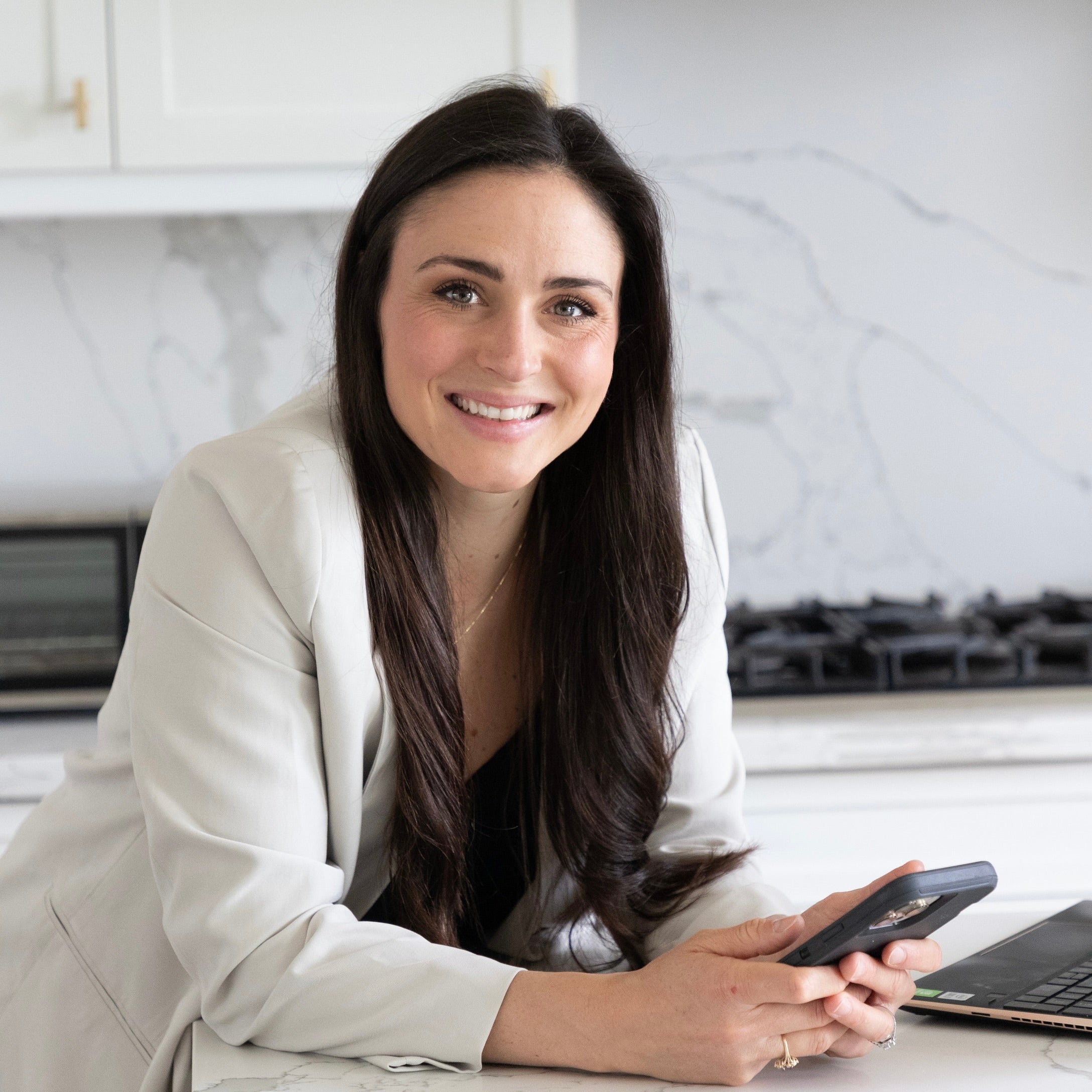
In this eye-opening episode, we’re joined by gallbladder expert Olivia Haas to explore the often-overlooked importance of gallbladder health.
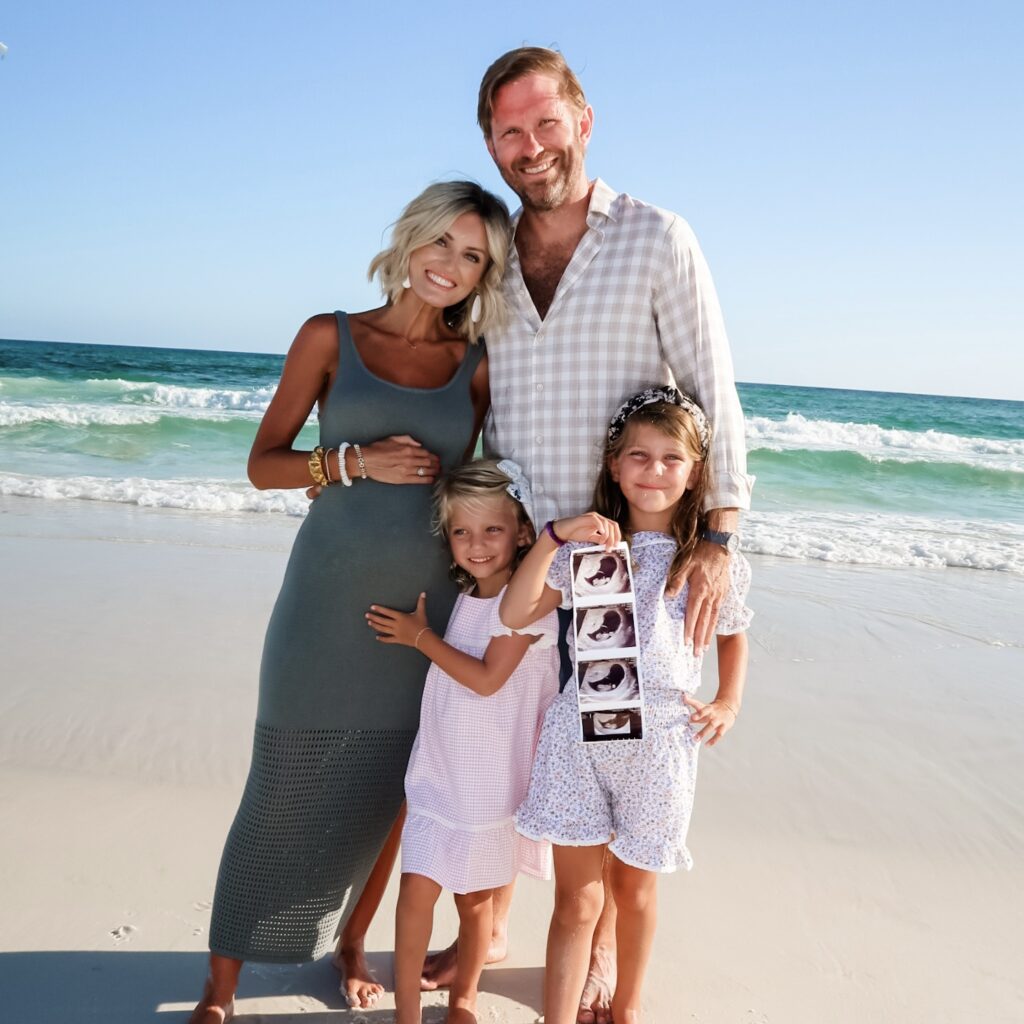
As someone who’s had her gallbladder removed, I’ve experienced firsthand the challenges that come with gallbladder issues. That’s why I’m thrilled to bring you this conversation with Olivia, known as the “gallbladder nutritionist” on Instagram. With her expertise in holistic nutrition and a thriving community of over 100,000 followers, Olivia shares invaluable insights on maintaining a healthy gallbladder.
What You’ll Learn in This Episode:
• The surprising connection between gallbladder health and hormones
• Early warning signs of gallbladder issues you shouldn’t ignore
• Essential supplements for supporting gallbladder function
• When to consider gallbladder surgery and what to expect
• Practical tips for managing your diet post-gallbladder removal
But we don’t stop there! We also discuss Olivia’s journey as a content creator and business owner. For those looking to build influence around their expertise, Olivia offers a wealth of knowledge on growing an engaged audience and developing service offerings.
Join us for this informative and inspiring conversation that will change the way you think about your health and potentially your business strategy. It’s time to give your gallbladder the attention it deserves!
Follow Olivia Here: https://www.instagram.com/gallbladder.nutritionistv
Gallbladder saver society membership- https://gallbladderdiet.mykajabi.com/gallbladder-saver-society-mmbership
Gallbladder gone support membership- https://gallbladderdiet.mykajabi.com/gallbladdergonesupportsociety
Watch this Episode:

Transcript
Hi friends. Welcome to the Life With Loverly podcast. I’m Brittany, a wife, mom, and lifestyle entrepreneur here to help you discover your best daily style and encourage you to try new things when getting dressed each day. I took a tiny following on social media and turned it into a community of over one million amazing women, and I am so glad you’re here. I’ll be sharing my heart with you beyond the 15 seconds on Instagram, so we’ll be diving into things like personal growth, friendships, motherhood, marriage, and of course, the business of blogging. Really, this space is here to serve as your go- to resource to building a life you adore while sprinkling some kindness to others along the way. Grab an iced coffee and let’s do life together. I’m Brittany, and this is the Life With Loverly podcast.
(00:54)
Welcome back to another episode of the Life of Loverly podcast. Today we have an interesting conversation for you with gallbladder expert, Olivia Haas. Now, you might be wondering, Brittany, why are we talking about our gallbladders today? And before I had mine removed around nine years ago, I probably would’ve asked the same question. But walking through the gallbladder surgery process with Nichelle just last December, we realized that there wasn’t enough information out there on how important your gallbladder health really is. From negatively impacting your hormones, worsening PMS symptoms, increasing GI issues, and affecting your quality of life with chronic pain, your gallbladder is connected to so much of your overall health. So we wanted to sit down with an expert so you can learn the early warning signs of issues. Our guest, Olivia Haas, known as gallbladder.nutritionist on Instagram, received a certification of holistic nutrition from Hawthorne University, has a master’s of science in nutrition, and now has over a hundred thousand followers in her community.
(01:57)
We chat in this episode about early signs of gallbladder issues, specific supplements to take for gallbladder health, and when to know that it’s time for surgery. If you’ve been living with symptoms like fatigue, GI issues, or hormone imbalance without any answers, we’re hoping this episode can encourage you to evaluate if it’s potentially your gallbladder. Plus, we chat a little bit about her content creation and business journey for anyone who wants to build influence around their expertise. From both a health and business perspective, this is the information I wish I had years ago, and I’m hopeful this episode will give you tips to elevate your lifestyle and step into the best version of you yet. All right, let’s dive in. Here’s my conversation with Olivia Haas. Welcome back to today’s episode of The Life with Loverly Podcast. Nichelle and I are here today and we have a special guest.
(02:50)
You guys are going to be so excited to hear everything that Olivia has to say. Olivia Haas. Hi, how are you?
Olivia Haas (02:58):
Hello. I’m doing well. Thank you so much for having me on today’s podcast and letting me spread more education about gallbladder liver health. I really appreciate it.
Brittany Sjogren (03:08):
Oh my goodness. I am so excited to have you on. I found your Instagram. It was probably like a two or three years ago maybe. And I was just like, “Where was this when I was having all my gallbladder struggles 10 years ago?”
Nichelle (03:23):
Right. And you’ve recently come back up to the forefront of our inbox because now she’s sending me stuff you’re posting.
Brittany Sjogren (03:31):
I’m like, “Did you see what Olivia posted? Did you see what Olivia posted?” So I am just honored to have you here. Like I said, I feel like it’s going to be such a great conversation. Before we hear a little bit more about your story, I would love to know just how you began sharing about gallbladder health online. Can you tell me what our gallbladder is for those who are like, “I know I have a gallbladder, but what does it actually really do? ” And just anything that we need to know about the gallbladder.
Olivia Haas (04:05):
Okay, certainly. So I think like most health practitioners, we kind of fall into our passion or what we want to do to help people from our own personal experience. So I have a history of gallbladder issues too. I call myself a gallbladder warrior, just like if it sounds like you’ve had some gallbladder issues and they’re definitely challenging. I’ve had a history of gallbladder sludge polyps and poor gallbladder function. A lot of biliary, what we call biliary dysfunction between my liver gallbladder throughout my 20s into my 30s. And I still do have my gallbladder today. So I started my journey back in my, I think it was like 20s or 30s now. My 30s is actually when the whole gallbladder journey started. And I was in school at the time. So fortunately I had a lot of natural paths around me that I was asking for help with. But I think like most people, we don’t know what the gallbladder is until you end up like in the hospital urgent care or you’re like, “What is happening to my body?” And most of us are not really familiar with what this little organ does. We’re familiar with our liver, but not really the gallbladder. So for anyone not familiar with the gallbladder or maybe you’ve had a history of gallbladder issues, the gallbladder is a very small … It is a vital organ. It’s often deemed as unvital in the body, but it’s in our bodies for a reason, so it serves a purpose. It’s a small but very mighty organ and it can be very painful when it’s upset or when stress has kind of taken over the body and starts to take over the gallbladder. So the gallbladder plays a very important role with your digestive health, your metabolic health and detoxification. So basically what the gallbladder does is it works hand in hand with your liver and these are kind of your main detox organs. And so your liver produces a substance called bile. It goes down to your gallbladder and it kind of hangs out there until you eat a meal. So your gallbladder is kind of a storage tank for this substance called bile. And anytime you eat a meal, a meal with fats or a heavier meal, it will signal, you’ll have a hormone that signals the gallbladder to be like, “Hey, gallbladder contract.” And the gallbladder releases out bile and then bile starts to come in and do its main job of fat digestion and helping us to digest down fats, absorb fats. So that’s why it’s a vital role in digestive health. But I think more and more through gallbladder surgery, we’re learning more about the importance of bile and the gallbladder’s role with this. And so bile outside of fat digestion, it’s also a form of detoxification. So that bile acts as a natural binder to like excess toxins, estrogen and cholesterol, and it takes it. And the idea is that if you’re having regular bowel movements, it pulls the junk out of your body. So it’s kind of a form of detox and drainage in that way. Because it supports fat digestion, it also helps with our metabolism and regulating blood sugar. It also is important for our hormone health. So there’s a bidirectional relationship between your gallbladder and hormone health. And this is a huge miss because gallbladder issues are very common among females, low, right? And unfortunately, the connection between our hormones is often not discussed. And it should be because it’s a big driver of gallbladder problems, but your gallbladder health or lack of gallbladder can also cause hormone issues. It also is really important for regulating out estrogen metabolism. So as a reminder, bile serves as a way to detox excess estrogen, which is important hormone, but certainly when in excess, it’s not that great for our bodies in many ways. And this is where some women will start to deal with more PMS symptoms around their menstrual cycle. Typically, it’s a sign we’re dealing with excess estrogen accumulation. So the gallbladder, even though it’s deemed as an unimportant organ, it really does play a vital role with your digestive health, metabolism, detoxification, healthy hormones. So it is a very vital organ. Dealing with gallbladder issues can be challenging. So sometimes the gallbladder liver are kind of your main organs that really take a hit from poor detoxification and it can lead to obviously gallbladder problems and poor liver health. And then we have this issue of the liver causing, basically producing a bile that’s super thick. And what will happen is when that bile becomes sludgy and thick, it goes into the gallbladder and it just sits there. And if the gallbladder is not contracting well from various factors, then we have that increased risk of gallstones and sludge to develop. So this is why in more integrative medicine, gallbladder issues are often a liver disease or a liver issue because the gallbladder is kind of just this little bystander organ that kind of takes the hit from the body not detoxing properly. So that’s where you start to develop the gallstone sludge and then it progresses into more gallbladder symptoms and gallbladder attacks and the hospital, unfortunately.
Nichelle (09:41):
And it’s so crazy too because I feel like so we were so interested in talking to you because now we both do not have a gallbladder and mine is a little more recently and I am still so shook at how little is really talked about when you’re going through this issue and you’re finding out that it is your gallbladder. The liver is never brought up.
Brittany Sjogren (10:02):
No. It’s nothing in what you … So Nichelle just had her gallbladder removed in December and I feel like none of the follow-up, anything we’ve discussed has like doctors have said nothing about liver.
Nichelle (10:17):
No, it’s so interesting. So like I’m listening to you and you have had your gallbladder this whole time and you’ve been dealing with this sludge issue and all of the issues that obviously arise that caused the issues that led to kind of us both having hours removed, but there is, it sounds like preventative measures that you can take in order to keep this from happening.
Olivia Haas (10:40):
Gallbladder issues, I think what can happen is sometimes we don’t realize our symptoms are necessarily gallbladder related. So that was my issue. Mine kind of started in my 20s and I didn’t realize with my first hospital visit that it was actually gallbladder problems. And this can be common for a lot of people. And so then it becomes almost like it’s too late for some people. And then you have to take into consideration like gallbladder issues kind of come to surface during like your fertile pregnancy postpartum years. And as both of you guys know dealing with gallbladder issues, can you imagine dealing with gallbladder problems when you’re postpartum?
Nichelle (11:19):
Absolutely not.
Olivia Haas (11:19):
Sleep deprived, trying to take care of children. And so you can, I understand a lot of times why people do surgery. I tell people all the time, and I have no shame admitting this, that like if I dealt with chronic gallbladder attacks, I would do surgery just because it’s not feasible for my lifestyle anymore. And it’s very hard. It’s very taxing on the body. So surgery is definitely necessary, but if you’re able to catch it early, if your gallbladder’s not symptomatic, if your gallstones aren’t symptomatic, then certainly you can start to take integrative measures to kind of try to save your gallbladder as much as possible. And as long as you aren’t having attacks, you’re showing signs that what you’re doing is improving, then you can certainly work to save your gallbladder. I personally had a history of gallbladder sludge, which I was able to reverse through dietary lifestyle changes and working on the cause. Now I just have a function problem. So my gallbladder just has a little hard time. And typically I can tell when I’m under more high periods of stress, it typically struggles a little bit more, but it’s something that I just kind of manage now. And because I don’t have attacks, I really don’t think surgery’s warranted. Again, if I was dealing with chronic attacks again, but yeah, for sure, be a different story.
Nichelle (12:47):
It’s crazy the symptoms that I think a lot of people probably do have them, but they can be different for each person. Mine was, I thought I was having ulcers because of the pain, how it radiates throughout your entire chest and the doctors kind of even like pushed it off like that. And looking back, I probably had symptoms way further than just last year, totally. But it was, you don’t think it’s a gall … It never occurred to me a gallbladder issue. I was like, “Oh, I’ve eaten something wrong.” Or, “My stomach’s just really upset and there’s this strong pain that’s just burning constantly. So I’m popping antacids.” All of those kind of issues. Never in a million years would I have ever thought that it was gallstones or a thickening lining of the gallbladder and it’s just literally not functioning properly. It got to the point where I would eat and then there was a massive pain. So it was like almost traumatizing to eat every single time.
Olivia Haas (13:45):
Yeah, totally. Yeah. Food fear is real with gallbladder issues. I think most can relate to that.
Brittany Sjogren (13:50):
So speaking of signs and symptoms of gallbladder issues, like for our listeners who maybe they are experiencing this and they don’t really know, what are some of the first signs and symptoms that maybe it is your gallbladder?
Olivia Haas (14:09):
I’m going to kind of bucket gallbladder and liver on this because they kind of work hand in hand. So I would say the number one thing is probably intolerance to fatty foods. That can be a first sign. So you may eat a fatty meal and you feel nauseous after you get bloating, sometimes sense of urgency or reflux. Those are kind of the early warning signs. And then chronic GI symptoms or digestive issues, I would say constipation and bloating because of that lack of bioflow to help us digest, absorb our fats. Well, those I would say are like the most early warning signs before it starts to get bad. And then certainly you have it progressing to when the gallbladder is really struggling and it moves into gallbladder attacks. And so the gallbladder attacks, what will typically happen is they’ll occur maybe after a large meal, a fatty meal. Sometimes it can be just stress related. Other various factors can cause it too, but it’ll typically start with feeling extreme nausea before the attack starts. You may get vomiting, maybe diarrhea, um, maybe reflux, and then it moves into a pain that either starts like in your middle sternum over to the upper right. For some, it sits in the back or as you mentioned, it felt like a heart attack like in the chest. That’s really common for actually a lot of females is that it feels like a heart attack almost. And that’s typically when it goes to a gallbladder attack, either like there’s inflammation, the gallbladder’s having a hard time contracting, or there’s potentially a stone trying to get released out. And those are trickier situations, right? So that’s where when someone has a lot of these gallbladder attacks because they don’t know how to navigate them, they don’t know how to stop them through their diet, or maybe their gallbladder is past the point of where they can’t save it and their gallbladder attacks are chronic even outside of diet. So diets, nothing’s helping, right? And that’s typically a sign, it’s gone chronic and it needs to be removed. And that’s where gallbladder surgery is there. If you can’t handle the pains too much, if the attacks are becoming chronic, then that’s what surgery fixes. So if fixes gallbladder attacks, it’s not going to necessarily fix digestive issues. And I wish more people understood this, that when you go into surgery, it’s going to fix attacks, but not a lot of these … Sometimes it’ll improve it for sure. But some of these other digestive issues like constipation, bloating, diarrhea, reflux, sometimes these can remain post-surgery. Again, what we do post-surgery can help prevent this and reverse a lot of these GI issues. So there’s a lot of solutions to fix these things, but just always keep in mind that if you’re on a gallbladder health journey and you’re not sure, should I remove my gallbladder, should I save it? The first thing I always look at first is like, what’s the health of the gallbladder? Is this person in a state of where they can actually work to save the gallbladder? Are they dealing with chronic attacks and is surgery probably the best choice? So like where you said you had gallstones and wall thickening, that’s a common sign that typically the gallbladder’s at the point where it’s just ready to go and that makes sense where you were experiencing those attacks quite frequently. Yeah, It’s Tough. It’s very hard.
Brittany Sjogren (17:44):
I just think back, I’ve had mine out for 10 years now, or I guess nine years coming up. And I still think I’ve got PTSD when you are going through all of yours. I was just like, I remember being just like doubled over on my couch after a meal, just like feeling the worst pain of my life and not knowing and thinking it was like my appendix because I wasn’t just familiar of like, it could possibly be. And I feel like that’s kind of common. People are like, “Is this my appendix? Is it not?
Olivia Haas (18:20):
Totally. Yep, that happens all the time. It happened to me too, so I can relate to that. Yeah. Either appendix or IBS, especially in individuals that have like a function problem, so they don’t have gallstones. So there’s different diagnosis of gallbladder issues. You have your most common one, which is gallstones or gallbladder sludge is kind of the precursor to gallstones, but then we also have a functional disorder of the gallbladder called biliary dyskinesia. This is where the gallbladder has a hard time contracting or we have hyperkinetic where it just spasms too much. And so in individuals with those situations, you see it quite often where they go in and it’s either, okay, you have appendix issues or IBS and that’s where sometimes the gallbladder issues can get misdiagnosed for a couple years, certainly.
Brittany Sjogren (19:08):
Yeah. I think that’s like, I know people who have been suffering with gallbladder issues and they’re just like, whenever I have an attack, it’s hard to get into the doctor and then I’m feeling fine when I’m in the doctor. So then it’s, I feel like I just go on this hamster wheel of trying to figure out what to do and I’m like, it’s hard. It’s like a tough organ to deal with, but I’m glad there are people like you who are educating those of us. I mean, it’s so nice to be able to go to the internet and find somebody who is a reliable resource and can teach you like, here’s some things to do when you’re in pain or when you’re having an attack and that’s very valuable.
Olivia Haas (19:51):
It’s so nice to have, because I can relate to you where when I started with my gallbladder issues like I guess seven or eight years ago, there wasn’t anything out there at the time. And the gallbladder issues dealing with them is really, really hard. So that’s why it’s like, I always tell people, I don’t care what decision you make whether you want to keep your gallbladder or do surgery, it’s your choice, it’s your body and situations are definitely warranted to surgery. I just want people to have education depending on wherever they’re at. So like for you guys, since you’re both post-surgery, it’s like I just want you to be aware of things that you can do to continue to support your body. And then two, what can you do in situations where you may have digestive or metabolic challenges, you’re not feeling lost because a lot of times people post-surgery will go to their doctors and they’re really not given proper education. They’re just told, take EPIs. And they’re not really talked about this connection between surgery. And so that’s my main goal with my page is just to always provide wherever you’re at in your journey to be able to provide that education support.
Nichelle (21:05):
Yeah. If you had to give advice to somebody who needed to have surgery, what advice would you give to help them prep going into it?
Olivia Haas (21:14):
Number one thing is get off Facebook groupsand Google.
Brittany Sjogren (21:19):
So true.
Olivia Haas (21:19):
Number one thing. I can’t tell you how many people ask me on Instagram all the time. I’m scheduled for gallbladder surgery and I’m scared because I’m scared I’m going to deal with digestive issues and gain weight. And if you can relate to that, then you need to get off any type of sources, even if it’s my Instagram that’s triggering, which I hope it isn’t. You need to get off these platforms and just focus on what you can do to prep because everybody has a different story and when you’re in those Facebook groups, you don’t know what’s going on, you don’t know what their health history is, you don’t know what they’ve done since surgery that could be affecting their issues. So that’s the number one thing first. You got to reduce down the anxiety around it. And then typically like to prep for surgery, what I usually recommend is the first like kind of five to seven days is more of like an easy to digest type of diet. So a lot of more like warm soups, easy to digest vegetables, fruits. Sometimes clients like to blend soup. So you can certainly, if you’re prepping for surgery, you can make some food, make some soups for you. Those first couple days really matter. And typically the first two weeks is lower fat. And then after that, we start to bring in foods back into the diet. So usually, as you guys mentioned, there’s major food fear. And so usually with most post-surgery clients, I’m working with them on overcoming the food fear just by giving them their confidence back and eating fats. So we’ll just pick one fat at a time and introduce it per week. And usually the body’s usually fine and usually they’re usually fine, but you want to pick one healthy fat at a time to introduce and just pay attention to how you feel. Certainly, the first 30 to 90 days, even though gallbladder surgery is deemed as like a no big deal surgery by some doctors, there’s great doctors out there too, but it is still a surgery. And so it does still cause a lot of stress on the body. So you do want to be mindful of that. So your first like 30 to 60 days, staying away from higher inflammatory foods, high sugar foods, I can tell you most post-surgery clients, they actually had more issues with high sugar like baked cakes and things like cupcakes and all that stuff and ice cream, if they introduced it too soon, it just caused massive stomach pain and cramping more than healthy fats did. So we want to watch those inflammatory foods, help your body recover, watch eating too much sugary foods, alcohol, all these things. They’re not great for the body to help recover. So you want to be careful the first 30 days with things like that.
Nichelle (24:06):
So what are five, like your top five supplements or products, what would you recommend to somebody? I know that on your Instagram stories you talk to, you’re going to have different reactions based off if you have it removed. Enzymes, all of these things, is there anything specific you would recommend to somebody post-surgery or would it just depend on the client?
Olivia Haas (24:28):
Yeah, so certainly. So if we’re talking post-surgery, we want to keep in mind a couple things. We want to work on our digestive health because we know that has changed. So again, that goes back to our bile. And we want to work on our liver because typically the liver takes on extra stress and this is where it can look different for everyone. So typically post-surgery, you’re going to need some form of functional digestive supplement. And when I say functional digestive supplement, it could be things like digestive bitters, it could be bile salt. So oxby or TUDCA and I’ll talk about all of these. Or we can use more natural substances, but you’re going to need some form of aid to help support fat digestion. There’s not really a way around it. We do have to use some form of support. So when we talk about top supplements, typically when we talk about bile flow and supporting bioflow, you may have heard of bile salt, so ox bile or TUDCA. \\OxBile is a form of bile salt. It’s actually derived from animal. And the way that we use oxbile post-surgery is it helps to kind of replace the loss of concentrated bile without the gallbladder. And so it helps us to digest fats better, absorb fat soleble vitamins. So if someone’s dealing with intolerance to fats, constipation, feeling really nauseous after fatty foods, maybe your vitamin D levels are starting to show low. This is probably a sign we need ox bile. So typically I’ll start someone with an ox bile only at 125 milligrams to see how they feel and I’ll start to titrate up. So depending if they have like a fatty meal, I’ll tell them to double or triple if they’d like to. If they eat meals out, they can do the same thing. Some individuals have sensitivities to oxbile. You see this a lot with people that have more other chronic digestive issues, maybe a lot of histamine overload symptoms. The oxbile can sometimes make them feel sick. So oxbell does need to be individualized. It’s not for everyone without a gallbladder. So keep that in mind. TUDCA is another form of bile salt. TUDCA works different from oxbile because it’ll support fat digestion, bioflow, but it also targets your liver. So when someone is having issues with their liver post-surgery or maybe they want to do some liver detox, we would use some TUDCA instead. Or if they had elevated liver enzymes, high cholesterol levels, fatty liver, this can be a sign that TUDCA is helpful. And you can certainly do both. So those are the bile salts. And then we have digestive enzymes and digestive bitters. So digestive enzymes, these are beneficial if you’re struggling with a lot of like specific food intolerances. So fiber intolerance, carbohydrate intolerance, fat intolerance. Then we can use something like a digestive enzyme to help with that. For some individuals that find the bile salts make them feel sick, then using something like a digestive enzyme might be better to go in first and use something that has like a high amount of lipase in it to help them digest down fats. And then you have digestive bitters, which are products or they’re made of different herbs that naturally stimulate your digestion. So your stomach acid, enzymes and bile. So they typically are better to take longer term. So typically the product will have things like ginger and artichoke and dangelion, and these can be taken before meals to help naturally support digestion. You can certainly even try lemon water, apple cider vinegar and water. All these bitter components will also help support healthy digestive function before a meal. And then I usually look at doing some form of liver supportive supplements, and this can look different for everyone, but again, herbs are nice to help here. So you have cholleredic herbs, which target your liver. That’s something like milk thistle. Milk thistle is a more gentle herb that you can go in to support the liver. You can also do a combination of collagogue herbs, which are like dandelion and artichoke. So you can kind of do a blend of milk thistle, dandelion artichoke, and that’s kind of a nice stack to use. TUDCA will support the liver using things like NAC, depending on the person, liposomal, glutathione, and then your liver loves a lot of B vitamins. And this is where B vitamins do have to get individualized, whether you do a B complex or you want to supplement your B vitamins individually based off targeting key nutrient deficiencies, this is where it can get individualized. The one thing I usually just caution with anyone with gallbladder liver issues, because we typically have, we struggle with methylation or we call phase two liver detoxification, we do need to select B vitamins that are in the form of methylfolate or methylphyllinic acid. So we do typically, just out of precaution, because most people with gallbladder liver issues, if you have a history of it, may have the MTHFR gene mutation, you may struggle with methylation. So we typically need those types of forms. Methylphyllinic form is a little bit more sensitive for people that struggle with methylfolate, but we typically avoid folic acid in supplements just out of to be safe. Makes sense. And then the last one I think I’m going to just mention is five … Because fiber is really important post-surgery for many reasons, but for a lot of people that may be dealing with things like constipation, diarrhea, or even more reflux issues, fiber can be a nice way to bring in to help support healthy bowels, a healthy gut, but also help detox because fiber X is a natural binder. So typically I use some form of fiber supplements. So I’ll either use my go- to is Acacia fiber or partially hydrolyzed gorgum sunfiber. Sun fiber specifically works really well for more IBS-like cases. So bile acid diarrhea works really nice for that. And then certainly have celium seed husk as well. So celium seed husk is great for people that are also dealing with possibly more of the bile dumping or excess bile, bile reflux, bile acid diarrhea. Sometimes you may need to go in with something both. And you can certainly mix the fibers, but I do typically do use some form of fiber supplement.
Brittany Sjogren (31:02):
I feel like all that’s really helpful. For, what would you say.. I would assume that probably the majority of our listeners who are having potential gallbladder issues probably haven’t had their gallbladder removed. What are some things like if somebody’s having some … Maybe they’ve been to the doctor there, they know they have gallbladder issues, what are some things that they could just be doing or changing about their diet that would be some easy swaps or some easy supplements to maybe add in that they could see some improvement?
Olivia Haas (31:41):
Yeah. So for anyone that is working to save their gallbladder, your diet is such a valuable tool. I cannot tell you. And again though, if once the gallbladder goes chronic, then sometimes the diet alone doesn’t help. But certainly when you deal with a gallbladder diagnosis, your dietary changes really matter. And the one thing I want to mention is once you have a gallbladder diagnosis, whether you work to save your gallbladder or your post-surgery, no matter what, it requires a long-term dietary change. Even post-surgery, your diet’s going to have to modify a bit. And if you guys want to comment on that, I know from personal experience, but when we talk about trying to save the gallbladder, first start with the foundations with your diet and lifestyle habits. So with our diet, what we want to just simplify is know that knowing that gallbladder issues are kind of a gallbladder liver issue go hand in hand. So we want to start detoxing, going on a detox lifestyle, a permanent detox lifestyle is what I’m going to call. And what we want to do is start looking at our diet and start to obviously just simplify it and swap out processed foods for more whole natural foods. Eating real foods, eating more foods at home, eating foods less out because this is going to reduce down the inflammation. That is at the foundation. So we just want a goal to simplify nutrition. There’s not going to be a one size fits all diet out there. So what I usually recommend to people is focus on the quality of your food. So eating more whole foods at home. And then the second thing is once you kind of start to bring the food back into your kitchen, we’re swapping out processed foods. We also want to look at our inflammatory oils. So this is one processed food that you want to be mindful of. So go through your pantry and make sure that we swap out foods that have things like canola, sunflower, safflower, soybean, peanut oils. We also want to look at our sugars, so making sure we’re not eating foods that have high fructose corn syrup in it, high amounts of sugar that can also drive gallbladder liver issues. So when you’re cleaning out your pantry, these are things that you want to look for. And then as you’re making these swaps, you want to prioritize just eating real meals, protein with substantial fiber on it. So usually I tell people a simple way is like 50 to 70% of your plate is vegetables and then you have healthy fats. So the healthy fats do have to be individualized because if your gallbladder is sensitive, meaning it’s so reactive, you’re having so many attacks, obviously you’re going to have to go lower fat, but we want to get you off of that if possible. So healthy fats that have to be individualized and more moderate in the diet are things like obviously olive oil, avocado, avocado oils. Some people can handle dairy options, nuts, seeds, all these have to be individualized. So like for me, when I first started my gallbladder journey, I was very sensitive to, I was eating a healthy diet, I was eating more ancestral based diet. So higher fat, a lot of raw dairy, things like that. But avocado, nuts and seeds killed me. So I couldn’t eat them around that time, but after like six months, I started to bring them in in very small amounts. And still to this day, I may eat an avocado, but it’s like a quarter, sometimes a very small one.
Nichelle (35:15):
I made that mistake on my salad the other day.
Olivia Haas (35:18):
Yeah, you’re nodding your head like you understand that. The Avocado. Yeah. Yeah. That’s where it can get hard because even healthy food can sometimes be triggering, right? And then certainly if you’re working to save your gallbladder, your diet and lifestyle choices are really important, but learn from my personal experience and it does go beyond your diet and lifestyle choice and you do need to work on any causes or drivers of poor gallbladder health. So like for me, I’ve had a history of estrogen dominance, thyroid issues, poor detoxification, constipation, all of these things will cause a lot of pressure on your liver or gallbladder. So sometimes you do need to take a step further and work one-on-one with individuals. And I have my Gallbladder Save Society membership, which is like a really good entry point to understand gallbladder liver health saving your gallbladder, but most cases you may need to do some more work to kind of dig into what’s going on.
Brittany Sjogren (36:16):
Yeah. It’s just so fascinating. I mean, even just hearing some of these responses and thinking of like other podcast episodes that I’ve done with just like different people, it’s just so interesting how it goes back to like, if we change what we’re eating and get rid of like all that processed food and all the oils that are not good for you and really truly consume whole foods, like how that is what our body needs to function properly. And it’s, sometimes I’m just fascinated how like if that’s not more of the like, here’s what you should do to help this problem.
Olivia Haas (36:57):
Yep. It’s simple, right? But it can be very hard for people to create that change. And sometimes gallbladder issues happen overnight, right? So you have to change your diet overnight because it’s like, I don’t know what to eat. I’m in pain. Yeah.
Brittany Sjogren (37:12):
Yeah, that’s so true. Okay. Let’s switch up gears just a little bit. I want to talk about content creation just as your account has grown. What type of content were you sharing when you first started back in 2020?
Olivia Haas (37:27):
Oh, I was figuring things out and so I just was putting anything out there initially. It took me about a year to niche into gallbladder health because I was like, no one’s going to want to learn about the gallbladder. And so I had no idea, but it’s always been, my goal is just with everything is just education. So I think I do a lot of educational. I provide a ton of free tips within my content and I think that over the years has been kind of the foundation with my page. I used to do a lot of carousel posts and then the reels hit and then that switched and the reels were kind of fun and the reels have just kind of remained. But I think initially it was a lot of carousels and more stagnant posts, if I remember. It feels like ages a go now, but yeah, I just was trying to figure out what worked. And at the time, no one was focusing on gallbladder health. So obviously I built a little community that just started following for more gallbladder tips, post gallbladder surgery tips. And it’s kind of evolved even into more post gallbladder surgery tips as well.
Brittany Sjogren (38:43):
Yeah. Do you use any specific workflow when you’re creating content right now?
Olivia Haas (38:50):
Oh, I’m terrible about this. It’s like a thing that I constantly battle with putting together more of a better schedule. I’ll be honest, sometimes I create based off energy. Totally. Yeah. I’ll put posts. I have a Google Doc of like, I can’t even tell you 30 pages of ideas, but sometimes an idea will come to my head and be like, “Oh, let’s talk about this today.” And so sometimes I just throw it out there. But I do try to be intentional with the content I put that it kind of rotates between storytelling. So whether it’s telling my story or a client’s story, I do educational tips or just tips in general, probably about three times a week and then problem solving, so depending on whatever I’m focusing in on, because I have almost like two niches under one umbrella, it can get overwhelming for my brain to focus on. I tried to do two separate pages and that was 10 times harder, but I do try to focus in on specific topics. So like this next month I’ll do fatty liver and gallstones. So I’ll rotate the content for the whole month around fatty liver gallstones and all of the content would be focused in on that. And that helps me kind of ground a little bit with the content. But the number one thing I’d suggest to anyone with Instagram is make sure you allow time to do invest in marketing for myself, this has been like the biggest struggle for myself the last five years, is that between managing clients and home life, I was not dedicating marketing time on my calendar each week and you really do need to invest like a block out a day per week where you can actually prep your content for the week. And I think because of the trends, it’s almost better to just, I personally just do it per week because it’s just hard, especially if you want to do more trend posts and..
Brittany Sjogren (40:56):
Totally.
Olivia Haas (40:57):
There’s a lot now.
Brittany Sjogren (40:58):
Well, And it’s so interesting because you have this passion and you have something to share with people, but you didn’t probably set out to be a content creator and now you are having, like as a business owner and as like an entrepreneur, you are having to teach your craft, manage your clients, have these discussions, but then also you are using like Instagram to promote all of this. And that is a whole separate job that-
Olivia Haas (41:28):
Correct.
Brittany Sjogren (41:29):
I mean, it can be very challenging, but so many people are in that place where they’re just like, “I want to share what I know with people. ” And so it’s always fascinating just talking to other people in the industry, in this Instagram world, just to see what works for them and what doesn’t work for them. I love your idea about just having a Google Doc and putting your ideas there. And even like one thing I thought about when you said that, I was like, you could probably even put it in categories like if you had low energy, like this would be like a few things you could answer. If you were feeling like I’m ready to attack so many reels, like here are the big ones you want to work with and just like break it up depending on the time that you have to dedicate towards that.
Olivia Haas (42:14):
Totally. Yep. And that’s what I, I actually have mine split in that way because I have to because it’s like a 30 page document of just like tons of content ideas with no direction. But yeah, it’s a lot of work, but it’s also very fulfilling, right? It’s a huge blessing that we get to have a business on social media, but it is a lot, but you have two jobs and I think that’s what … I didn’t understand a hundred percent from the beginning, but you really are. So like I’m a nutritionist, I have a practice, but I’m also a content creator, social media manager, and it’s a full-time job between the two for sure.
Brittany Sjogren (42:59):
Yeah. That’s like three or four jobs. They really do. It is wild. Somebody came to you and maybe they already like know what their niche is. Where would you advise them when it comes to like starting to create content?
Olivia Haas (43:20):
Oh, just start posting because it’s going to take you a while to figure out. So just start posting content. That’s the hardest thing I think for most people is to get up the nerve to start posting. We overthink things for way too long. So post content and share your story. Just share your story initially with all your content and that will bring in your community and then really just focus on engaging with your community. So asking them questions, what do they need help with today? Doing Q&A boxes. And initially I would say that once you built out your business, it really is focused on … You can’t start pitching products if your community’s not warm, right?
Brittany Sjogren (44:07):
Right.
Olivia Haas (44:08):
So your first couple months are really about building that community. So I just say just start. And there’s so many, when you look at so many social accounts or social media managers on Instagram, so many of them post great content ideas for free now that if you just follow a couple bigger social media accounts, they’ll be like, “Okay, here’s a real idea for this week for free.” And you can just get started with that. But it took me a long time to figure out what worked and what didn’t work. And so it’s all part of the learning process. I think where people give up with social media is one we get in our heads about stuff and you just have to move beyond that. Remember why you’re doing it in the first place. And then two, make sure you’re allowing time for that content creation so you’re not burning yourself out. So if you’re feeling stressed about creating the content, then I would just sit down and make sure you allow time for that. So you’re not like, “Oh, I got to put content together because I know how that feels and I still probably do it to this day and it definitely burns you out in that way.”
Brittany Sjogren (45:22):
Yeah, no, those are great tips. Thank you so much. Okay. So I’m going to wrap up this interview, which has been so amazing. I feel like I’ve learned stuff.
Nichelle (45:32):
Same. Absolutely.
Brittany Sjogren (45:35):
But one question that I ask all of my guests at the end of each episode is, what is the most meaningful act of kindness that somebody has extended to you that has made a lasting impact on your life?
Olivia Haas (45:48):
Yeah. I really like that you asked this question, by the way. It made me really like reflect on it. I was like, “This is a really nice question to ask.” So to tie it into the gallbladder diet, I’m going to say my husband, because the gallbladder diet wouldn’t be here if it wasn’t for him. So basically after three months of us dating, he bought me a laptop around that time and told me to go pursue my passions. So anyone here that follows the gallbladder diet or my Instagram page, you have to thank my husband. The page would not be here and he’s like my biggest supporter and constantly pushes me. When I went full in on my business, he was like my financial supporter too. So I’m going to say my husband and the fact that he bought me my laptop after three months of us dating.
Brittany Sjogren (46:35):
He saw something there. That’s so great. Wow. Yeah. That’s amazing.
Nichelle (46:41):
Well, this has been so informative. Thank you so, so much. We really appreciate it.
Olivia Haas (46:45):
You’re most welcome.
Brittany Sjogren (46:46):
Will you tell our listeners where they can find you on Instagram?
Olivia Haas (46:52):
Yes. So my Instagram is gallblatter.nutritionist, and that’s probably the best way that you can get ahold of me. I do have a website, scallblatterdiet.com. I am trying TikTok, but I’m definitely … My Instagram has been around for a long time, so that’s the best way to get a hold of me.
Brittany Sjogren (47:10):
I feel that. I’m just like an Instagram girly and-
Olivia Haas (47:15):
I just cant.
Brittany Sjogren (47:20):
“I just love Instagram.” Yeah. And we’re going to leave all of these, like some specific links to the programs you mentioned and things like that in the show notes. So to our listeners, you can just head to our show notes and we will give you access to all of Olivia’s information so you can just click right over to Instagram and give her a follow. But Olivia, this has been amazing. Thank you so much. Again, I cannot wait for our listeners to hear this.
Olivia Haas (47:49):
Yes. Thank you so much as well.
Brittany Sjogren (47:51):
Alright, friends, until next time. Hi, friend. If you’re loving the show, will you go find that follow button on your podcast app? This will ensure that you won’t miss a single episode. I love having you in this community. Until next time. This season of Life with Loverly is produced by Elizabeth Evans Media Productions.